
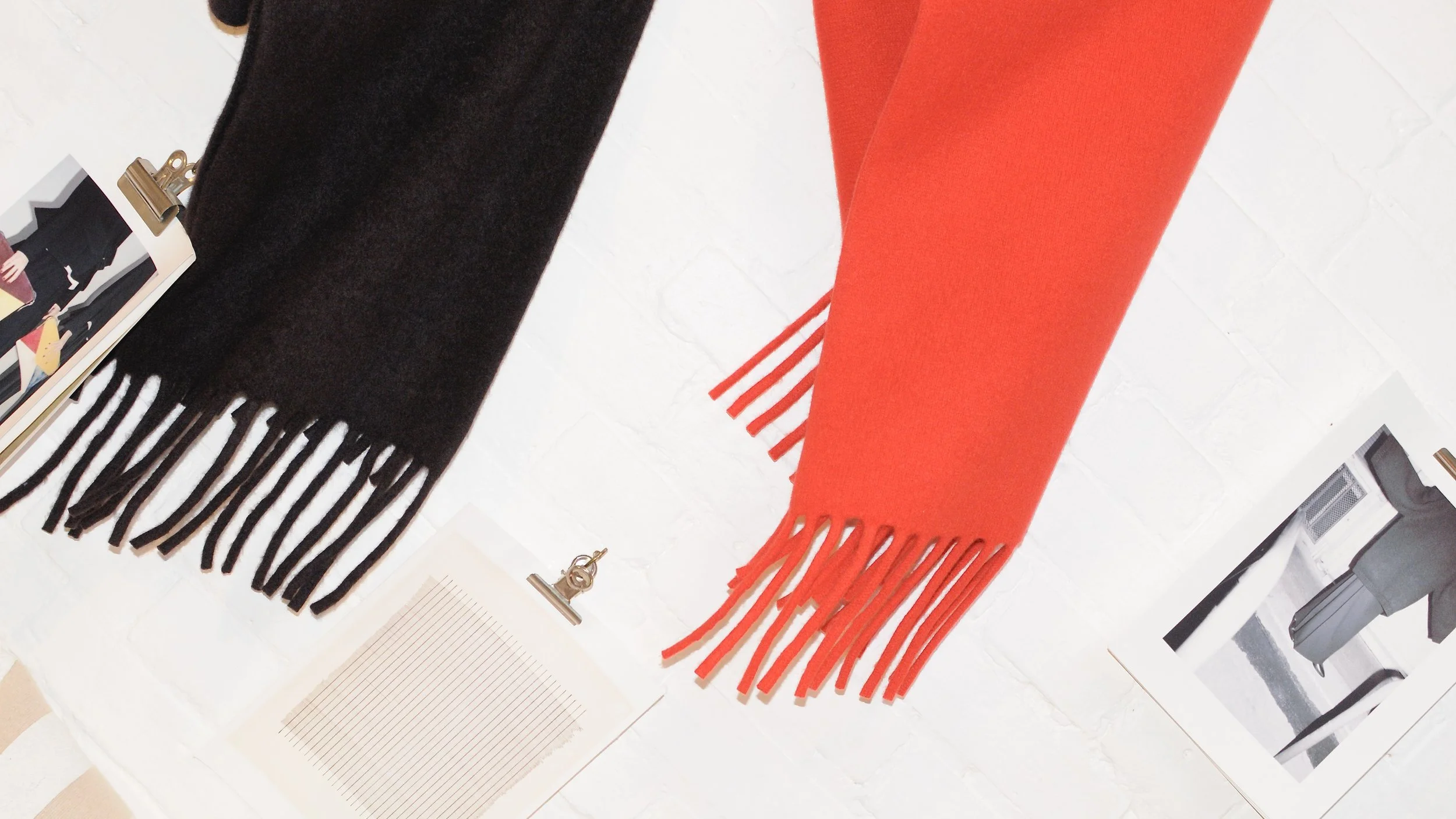
THE STUDIO
SHEPHERD england is an independent studio founded by Gemma Shepherd in 2005 - designing and making textiles and objects that span the worlds of interiors and fashion.
Graphic design underpins a creative journey through different disciplines, with the practice coming to reside predominantly in textiles while retaining a distinct and recognisable visual language.
The work created is not defined by category - but by a consistent approach to colour, pattern, composition and form. References are wide-ranging, shaped as much by observation and the everyday as by art and design.
Machine-knitted fabrics form the foundation of the practice, sitting alongside processes including hand painting, stitching and felting. Materials are worked, reworked and combined, with ideas evolving through making.
SHEPHERD is conceived as an ongoing collection, with designs carried forward and evolved over time. Colours and variations change, existing designs are revisited and new work is introduced without being tied to a conventional seasonal cycle.
All SHEPHERD pieces are made individually to order, keeping production closely connected to demand and materials in use rather than held as finished stock.
GEMMA SHEPHERD
Gemma Shepherd is a British textile designer and founder of SHEPHERD england. She studied Graphic Design at Camberwell College of Arts before establishing SHEPHERD in 2005. Her graphic sensibility continues to inform an instinctive approach to colour, composition and making.
MATERIALS
The fibres and processes selected for use within the studio are integral to the way SHEPHERD develops and makes.
FIBRE - Much of the SHEPHERD collection is made using a 100% superfine lambswool spun by Todd & Duncan at their Lochleven Mills in Scotland.
It is a yarn SHEPHERD has worked with for many years, chosen for its softness, exceptional quality and most importantly for the way it responds to the particular processes used in the studio.
The fibre is dyed before it is spun, a gentle process that allows colour to develop with exceptional depth and consistency while contributing to the finished handle of the yarn. The dyed fibres are then carefully blended before carding and spinning, creating the distinctive richness of colour for which the mill is known.
The naturally soft water of Loch Leven plays an important part in the dyeing process, helping the fibres to open and take colour evenly. Todd & Duncan uses environmentally friendly dyes, with the water being cleaned post-process before being returned to the loch.
Once in the SHEPHERD studio, knitting is only the beginning; washing, felting, stitching and finishing can each alter the weight, handle and character of the material.
All wool fibre used by Todd & Duncan is RWS certified. The Responsible Wool Standard sets requirements for animal welfare and land management at farm level and maintains a chain of custody for certified wool through the supply chain. Mulesing is prohibited under the standard.
The connection to wool is also a personal one. The husbandry of sheep has always been part of Gemma’s life. Growing up on a sheep farm, her father — a farmer and shepherd — would describe himself as “Shepherd by name and shepherd by nature.”
That connection now continues into another generation, with Gemma’s son establishing a flock of Romney sheep on the family farm. The intention is that, in time, their wool will find its way into the SHEPHERD collection.
PAINT - Artist’s acrylic paint is mixed with a textile print medium and either painted directly onto the cloth or applied using hand-cut stamps.
Artist’s acrylic is chosen for the consistency and depth of its pigment and the control it allows when mixing colour. The addition of the textile medium allows the paint to work more naturally with the cloth, retaining greater flexibility while allowing the character and texture of the underlying material to remain present.
The process itself is deliberately simple. Colour can be mixed and applied directly in the studio, either as a painted mark or through the repetition of a stamped motif.
Painting and stamping allow graphic process and pattern design to enter the work in a different way. No longer determined solely by the construction of the textile — colour, pattern and mark can be introduced directly onto its surface to create another relationship between composition and cloth.